Problem
Ecological audio datasets are large, and manual review is slow. Teams needed a way to prioritize likely bird events so expert review time could be used where it mattered most.
Building a machine learning bird detection tool for large-scale ecological audio.
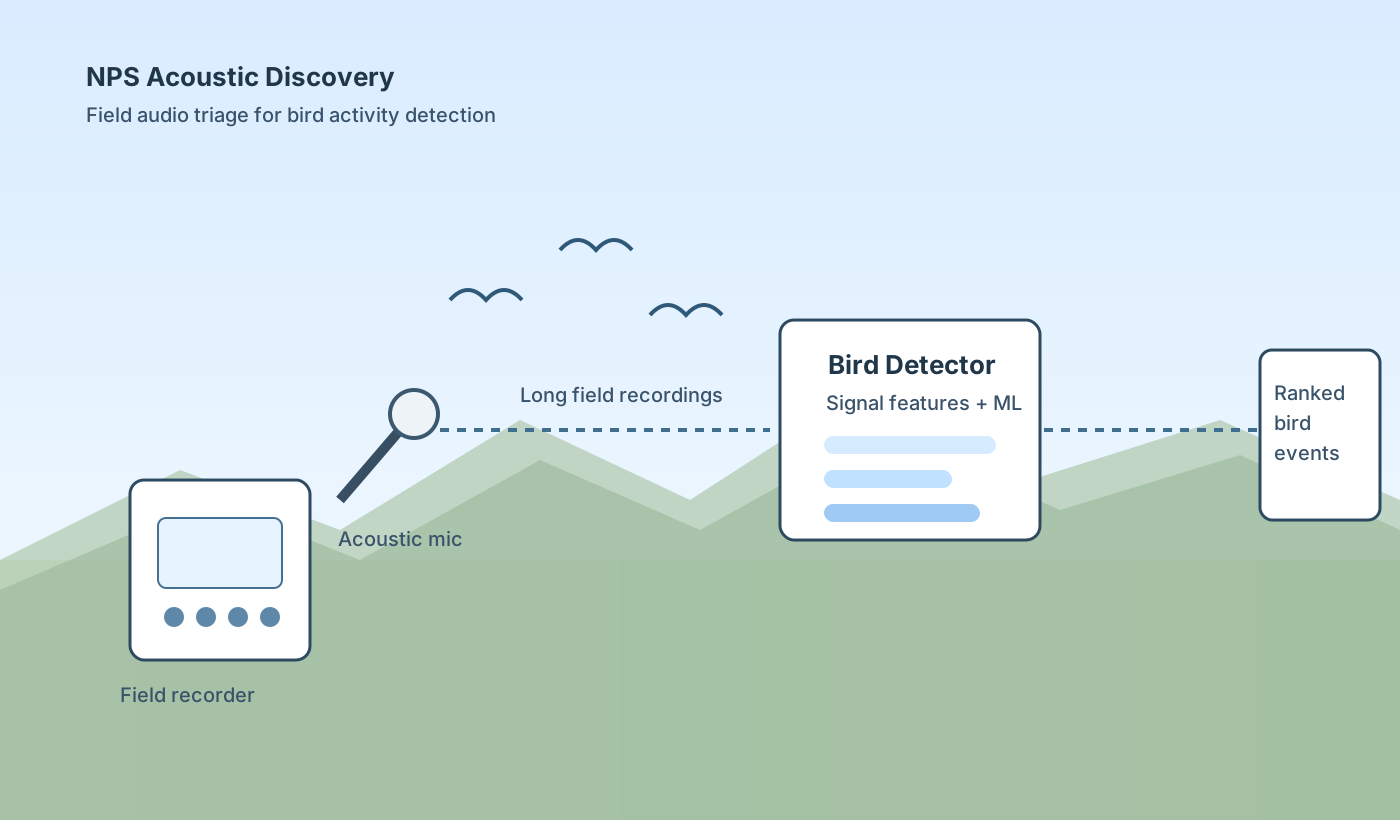
I authored the Acoustic Discovery project for the U.S. National Park Service. The goal was straightforward: help researchers find bird activity in long field recordings without manually listening to everything.
The data came from real acoustic monitoring conditions, so the challenge was not just classification accuracy in clean data. It was building something useful under noisy, variable outdoor recording conditions.
Ecological audio datasets are large, and manual review is slow. Teams needed a way to prioritize likely bird events so expert review time could be used where it mattered most.
The system combines signal processing and machine learning to score likely bird presence from audio. Instead of replacing domain experts, the model acts as a triage tool that accelerates downstream analysis.
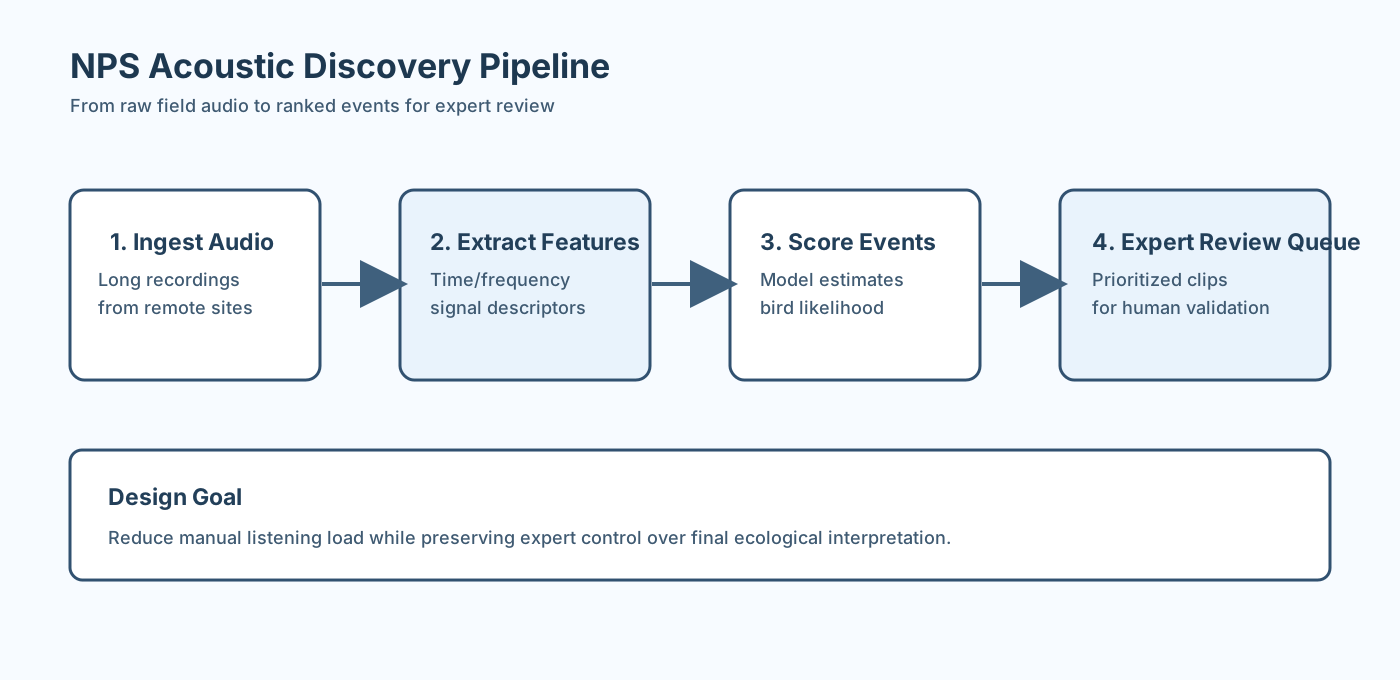
This project sits at an intersection I care about: machine learning, signal processing, and conservation work in the real world. It is a good example of how applied machine learning can support scientific teams when the design target is usefulness, not hype.