TechTet: Live Ensemble Clips
A short performance trailer showing TechTet in ensemble context.
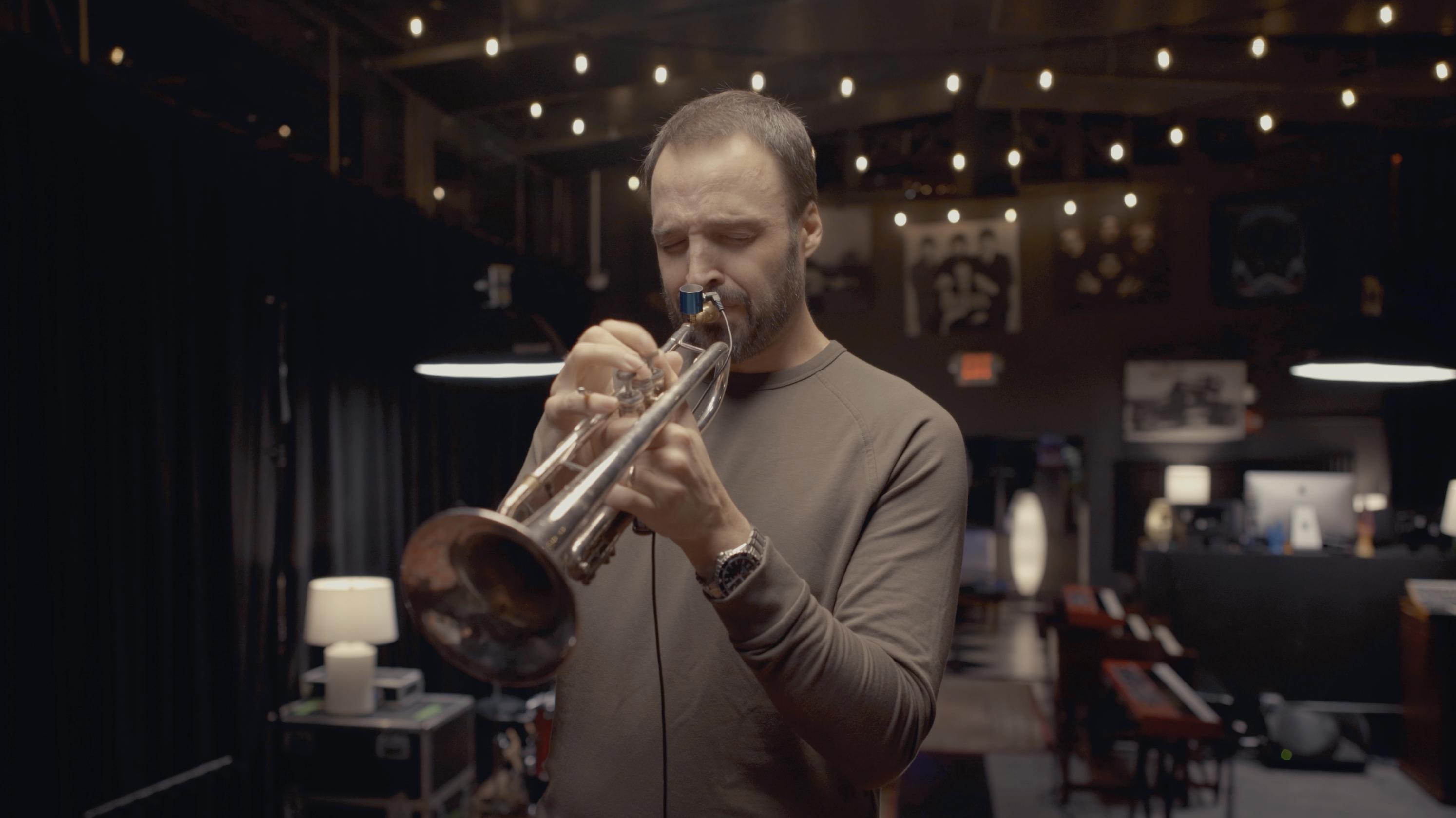
TechTet is a live performance project featuring Organum Engine, a machine learning system created by Cameron Summers that listens to live acoustic input and generates harmonies in real time.
The project explores how technology can meet traditional music contexts - improvisation, ensemble interaction, strong harmonic character - in order to deepen the human musical experience rather than replace it.
TechTet creates a live experience for both musicians and audiences. The musicians explore a new musical language with technology that stays in the background of musicianship. The audience hears music with a clear connection to tradition, but not entirely familiar.
This project travels and is available for presentation in concert, museum, and university settings, with several formats available depending on context. For inquiries, please get in touch.
A short performance trailer showing TechTet in ensemble context.
A short introduction to the Organum Engine in performance.
A short but extended excerpt showing TechTet in ensemble context with Organum Engine.
"The music was beautiful."
"Really unique project."
"You made the technology feel seamless, which is a challenge."
TechTet can be presented in several formats depending on venue, audience, and program goals.
A live TechTet performance centered on Organum Engine in ensemble context. Most often presented in trio format, with expanded 5-piece performance available for larger programs. Typical duration is approximately 45-60 minutes.
A combined artistic and educational format pairing live performance with discussion of the musical and technical ideas behind the project. Available in solo or ensemble form, usually 60-90 minutes depending on context.
A presenter, university, or local collaboration model that can include rehearsal, workshop activity, faculty or regional musician collaboration, and performance. Scope is shaped with the institution and program goals.
In presenter and university settings, this creates a concrete way to pair performance with faculty collaboration, regional artists, rehearsal process, and educational work around improvisation, ensemble interaction, and human-centered music technology.
KUAF (NPR affiliate), Ozarks at Large: UofA Honors College hosts concert with musicians collaborating with AI
Coverage of the University of Arkansas Honors College concert, with musicians performing alongside a machine learning system in real time.
"This is the idea of automating creativity as dependent upon human input and human creativity specifically."
University of Arkansas News: Honors College house concert blends live music with AI innovation
Coverage of the same Honors College presentation, framing the project as a live music event rather than a technology stunt.
"The heart of this performance is live music — live musicians, live sound."
UNCANNI: Creative Acts of Neo-Intelligence was an interdisciplinary contemporary arts program at The Momentary, placing the performance system in an institutional collaboration context.
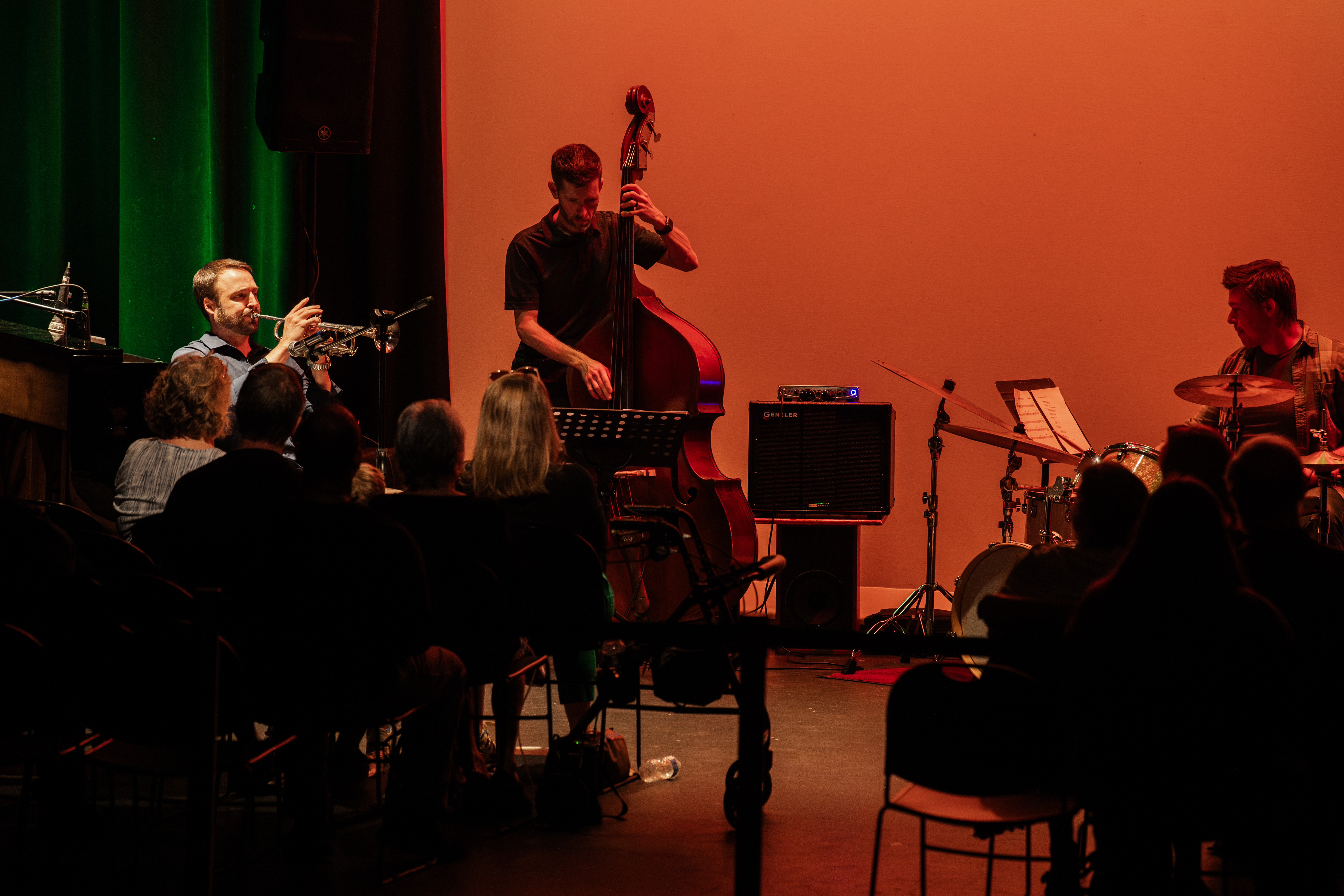
TechTet in trio format, The Medium, Fayetteville — April 2024.
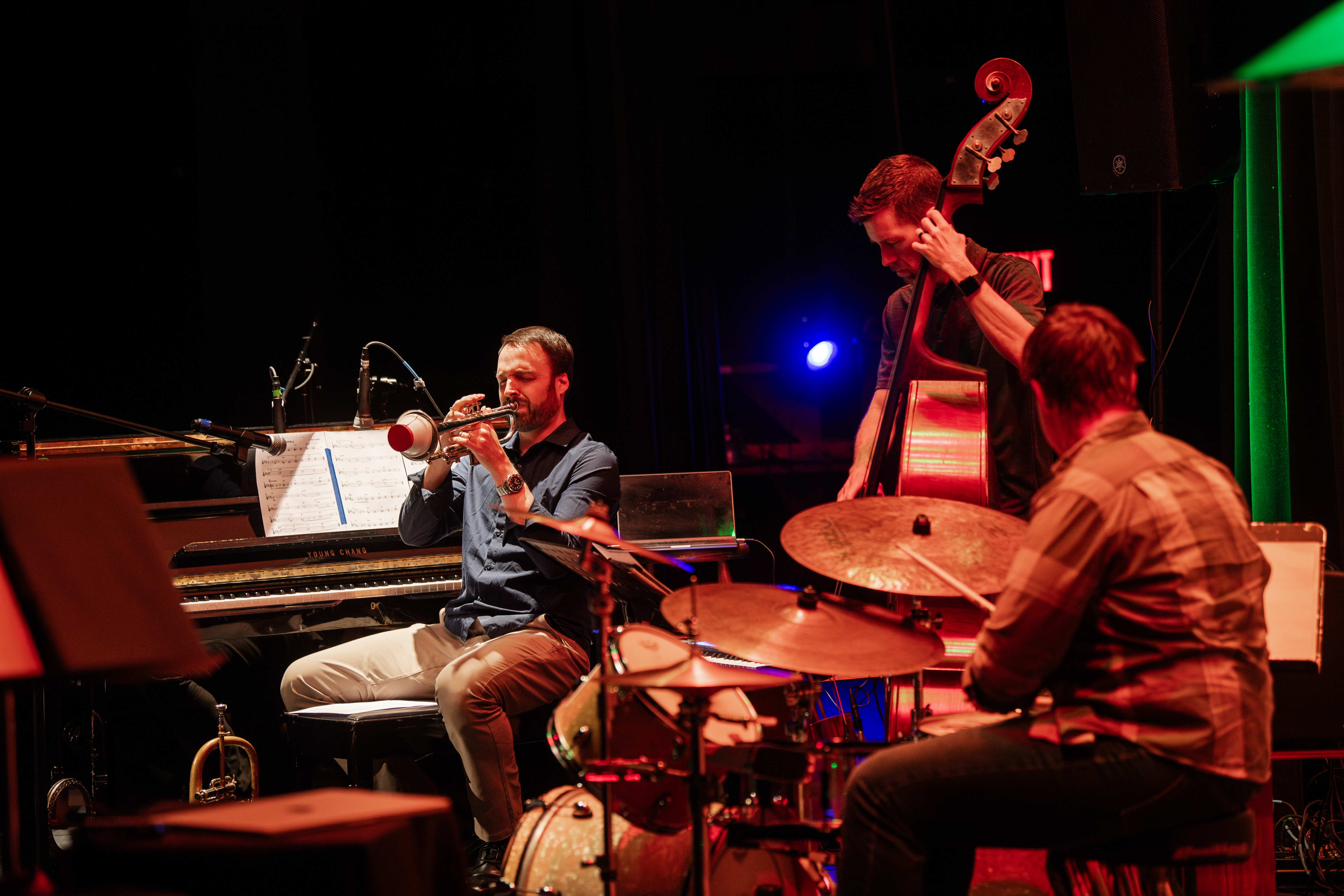
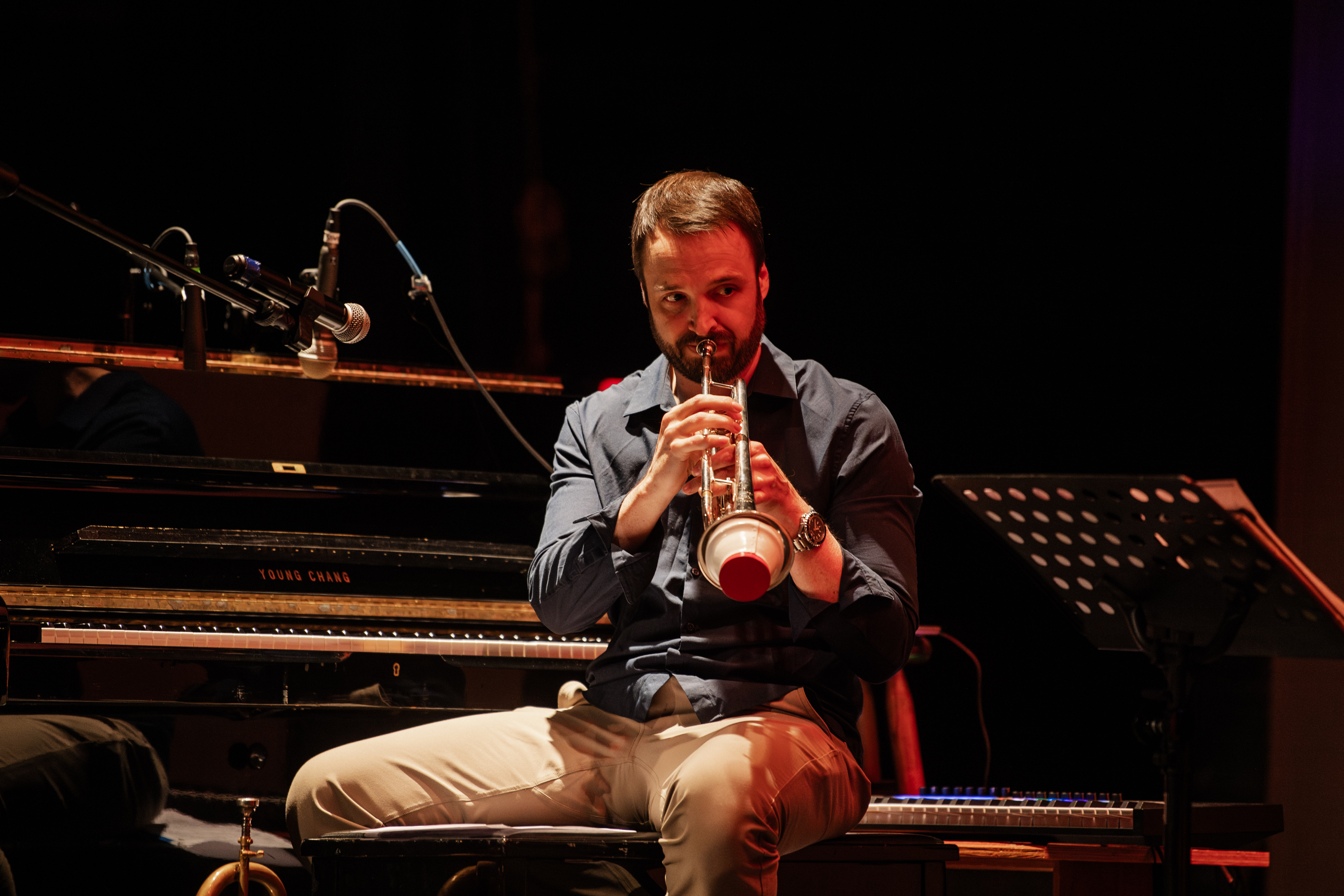
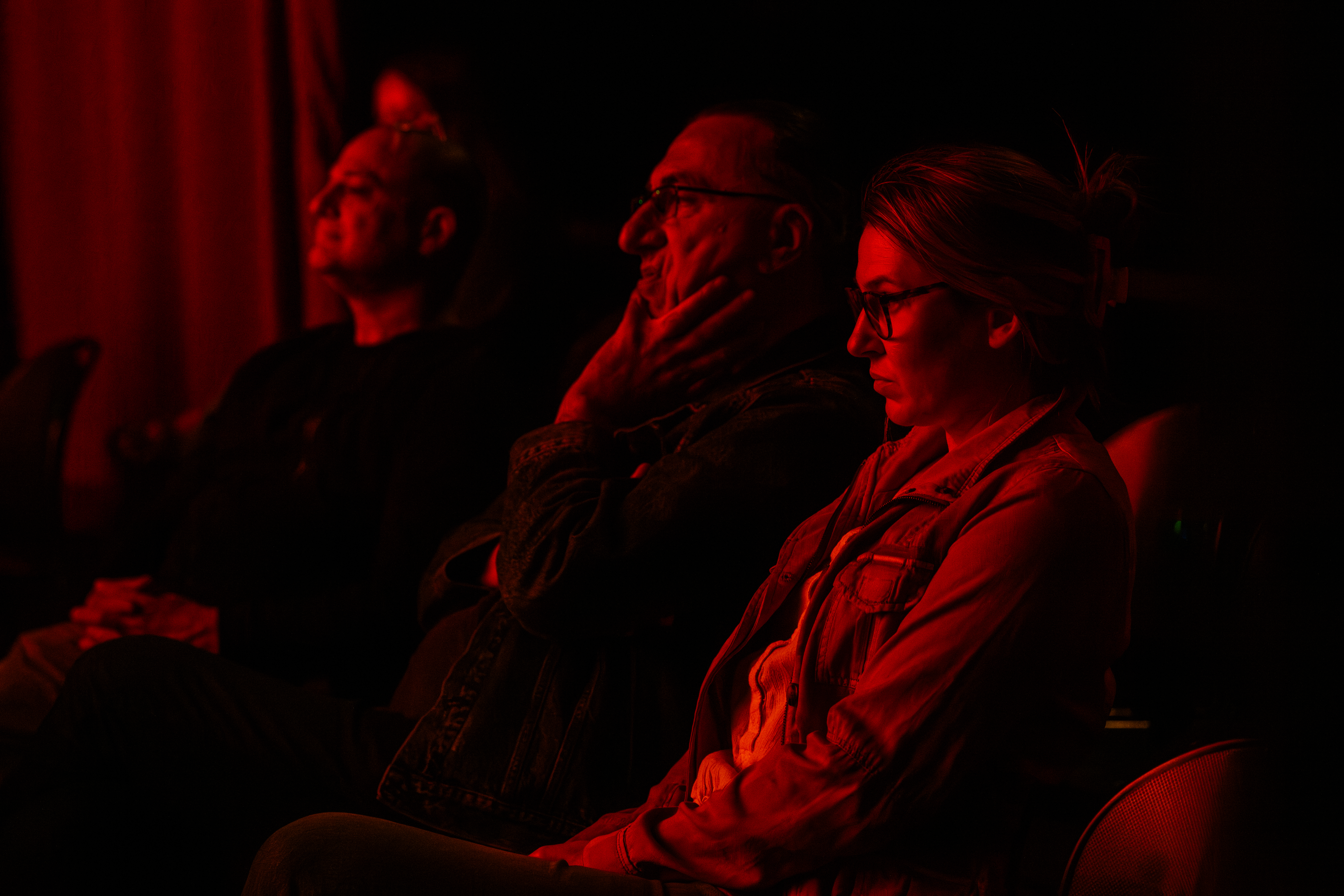
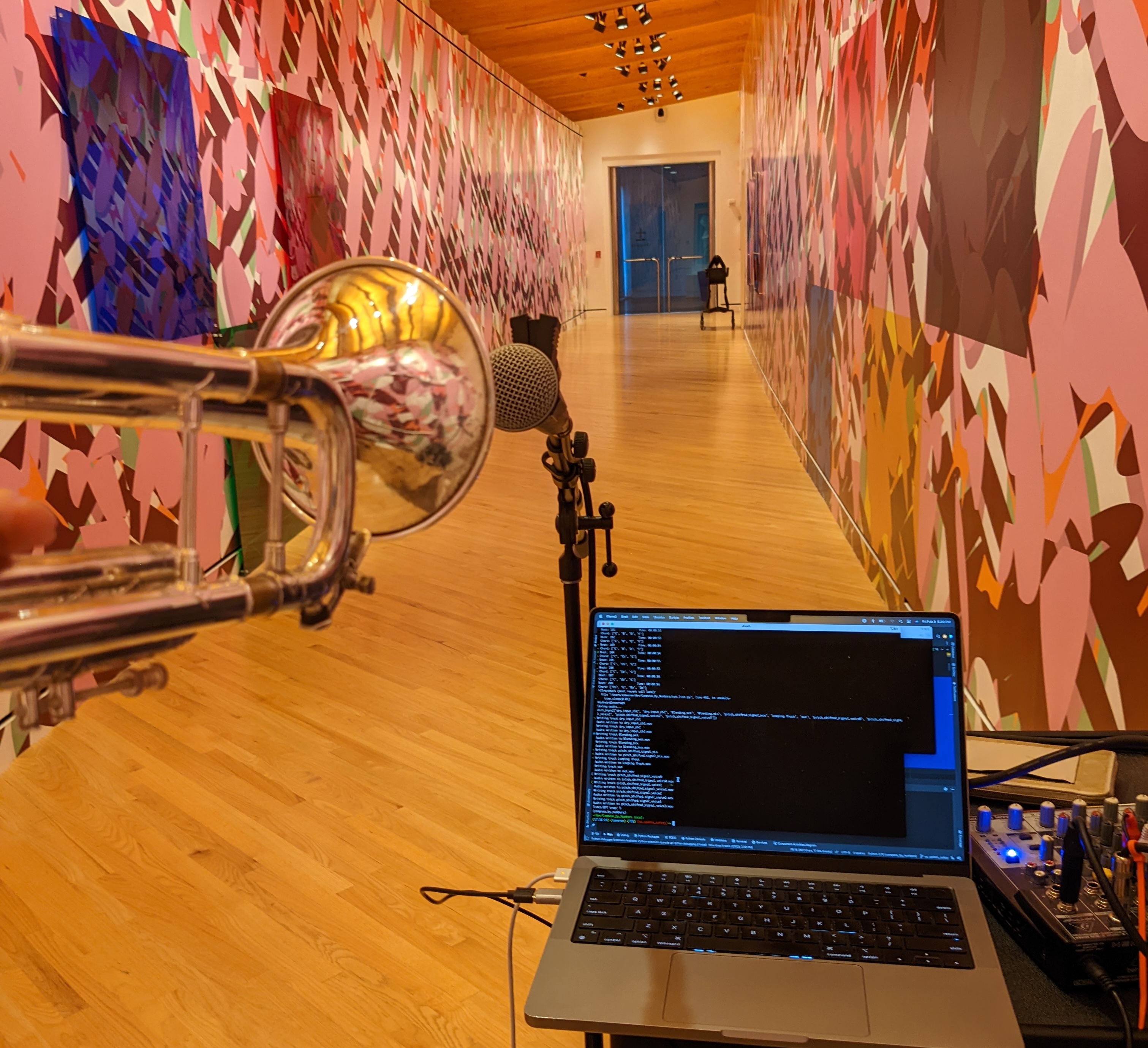
TechTet performed as a solo system, accompanying traveling artwork at Crystal Bridges Museum of American Art.
For technical and production materials, use the presenter page.